Fix-and-flip projects
Purchase and work funding for an investment you intend to sell. A lender will want to see what needs fixing, what it will cost and why comparable sales support the proposed resale value.
Jacksonville · Florida
Need financing for a Jacksonville property? Submit your deal and our hard money specialists will explore loan options with you. Your initial inquiry is free, with no obligation.
Tell us what you need to borrow and your plans for the property.
Investment property financing across Jacksonville and Northeast Florida.
Send the Jacksonville-area address, purchase price, property type, condition and deadline. Include your intended use and the amount you want to borrow.
A specialist reviews your work budget, available equity and repayment plan. Missing scope, valuation evidence or contribution details may need clarification.
Your inquiry goes to a lender suited to the requirement, who applies its own property and borrower checks.
Review interest, fees, cash needed, draw conditions and maturity together. Make sure the proposed facility fits the way your project will actually run.
If approved, the lender manages its documentation and closing conditions. Title, insurance and valuation issues can still affect the transaction.
Why Hard Money Specialists
Hard Money Specialists is a national specialist finance brand that understands Jacksonville is not one market but many. We help Northeast Florida investors talk through their deals with a hard money specialist.
Your Jacksonville inquiry is reviewed by a person who knows the First Coast, from the river to the Beaches. You hear back from a specialist, not an autoresponder.
Financing is arranged through a small, vetted group of hard money lenders active across Duval County and the surrounding area.
Talking through your Jacksonville deal with us costs nothing. You decide whether any financing proposal is right for you.
A property that needs work can be difficult to finance with a conventional mortgage. Hard money lending takes a different starting point: the asset, the proposed improvements, your equity and the plan for repaying a short-term loan.
That may suit an investor buying a Jacksonville house to renovate and sell, or acquiring a rental before arranging longer-term finance. It can also be relevant to eligible small multifamily or development projects. The right structure depends on what you are buying and what happens next.
We help put those details into a clear inquiry for our hard money specialists to review. Hard Money Specialists does not approve loans, fund transactions or set rates. Any financing option remains subject to lender criteria and the property itself.
Understand how hard money loans work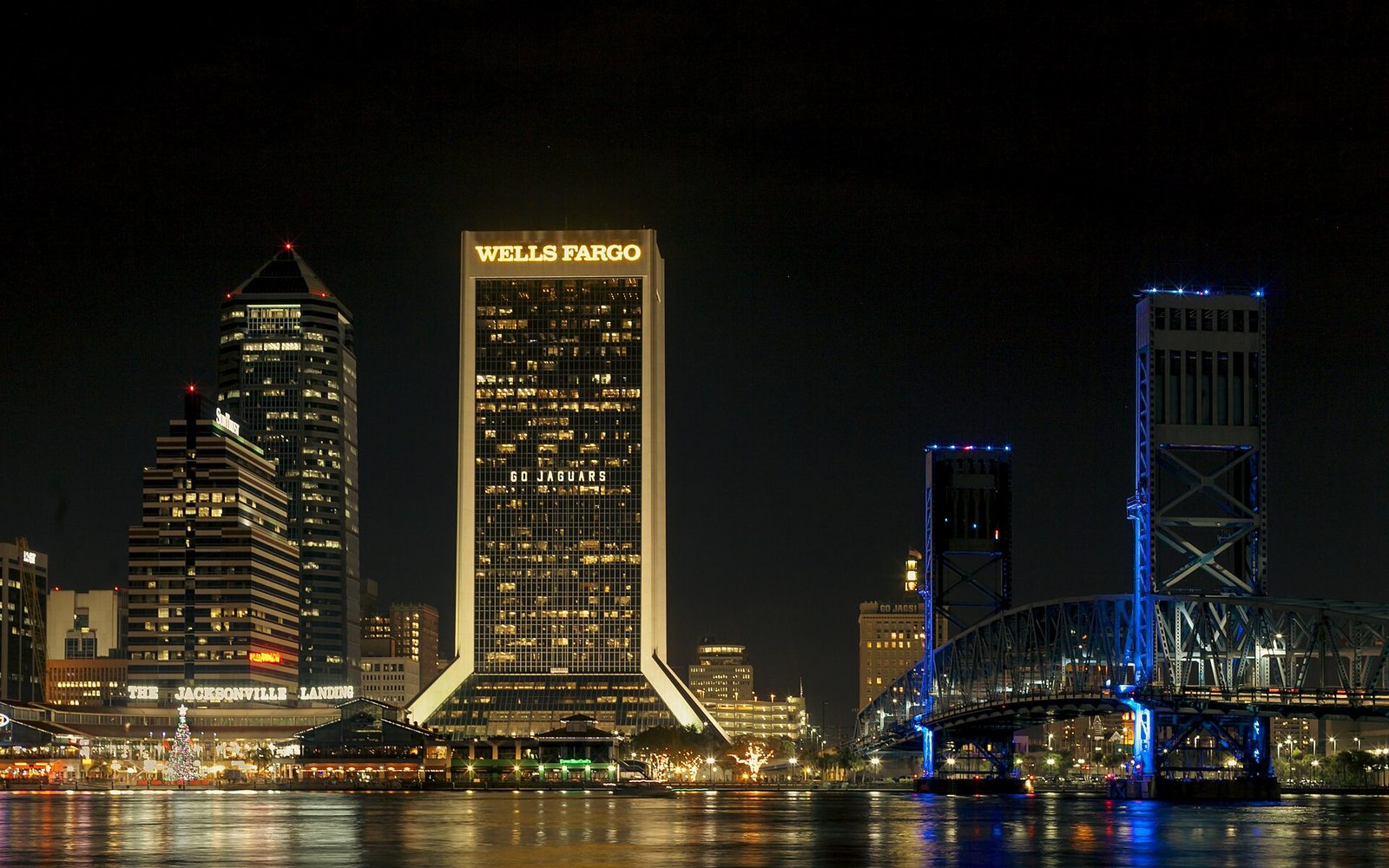
For a renovation loan, the work budget is part of the lending decision. Separate essential repairs from optional upgrades, obtain a priced contractor scope and leave room for problems uncovered once work begins. A cosmetic refresh and a structural renovation require different amounts of cash, time and oversight.
Ask how purchase funding and renovation funding are divided. A renovation allowance may be held back rather than handed over at closing. If draws reimburse completed work, you need enough working capital to keep the contractor moving between inspections and releases.
Purchase and work funding for an investment you intend to sell. A lender will want to see what needs fixing, what it will cost and why comparable sales support the proposed resale value.
Short-term finance for eligible non-owner-occupied homes and small multifamily properties. If you intend to keep the property, explain how it will qualify for longer-term financing after purchase or improvements.
Funding to bridge a defined gap before a sale or refinance. The repayment route needs evidence and enough time to work; a hoped-for refinance alone is not a complete exit plan.
Specialist options for eligible building projects, subject to lender criteria. Plans, permits, contractor experience and staged costs are central to the assessment, not details to sort out after closing.
Have a Jacksonville investment property in mind? Tell us about your project and explore specialist financing options.
Explore Your Financing OptionsHypothetical scenario · Not a funded transaction
Suppose an investor agrees to buy a Jacksonville property for $250,000, plans $50,000 of renovation work and estimates a $400,000 value once the work is complete. These figures describe a possible project, not a loan offer or a prediction of profit.
A hard money lender might compare the purchase price with the property's current condition and value, then review the scope and contractor quotes. To assess the ARV, it would look for relevant completed sales, not simply other sellers' asking prices or a broad neighborhood average.
The lender also needs to understand your contribution. How much cash or equity can you put in? Can you cover closing costs, carrying costs and work before a draw is paid? If renovation money is released in stages, inspections and reimbursement rules need to fit your contractor's payment plan.
The intended exit could be a sale after renovation or an eligible refinance if the property is kept. Both require a realistic schedule and a backup plan. The $100,000 difference between the estimated ARV and purchase-plus-renovation costs is not profit: loan charges, taxes, insurance, selling costs and contingencies still have to be paid.
Any loan amount, advance structure or draw arrangement depends on the lender and this specific transaction. None of these assumptions establishes an approval or guaranteed financing amount.
A useful application answers the questions a lender will need to underwrite. Jacksonville hard money lenders do not all accept the same assets or borrower profiles, so give the detail early rather than relying on a headline valuation.
Credit and financial history may also be considered. Property-backed finance does not mean every application qualifies, and a lender may ask for additional security, guarantees or reserves.
Interest is only one part. Request origination charges, valuation, legal and closing costs, draw or inspection fees and any extension or minimum-interest provisions. Check whether interest applies to the full committed loan or only money advanced.
The amount you bring to closing may be less than the cash you need to finish the project. Allow for insurance, taxes, utilities, unexpected repairs and any gap before a renovation draw. Do not assume the lender covers every project cost.
For a sale, consider a longer marketing period and a lower selling price. For a refinance, check the future lender's requirements before borrowing. Ask what happens if you need more time; extensions are not automatic.
The address matters more than a Jacksonville-wide assumption. In Riverside and Avondale, investigate the condition of an older property and whether any historic designation affects the planned work. In San Marco, examine the individual site's flood exposure and insurance requirements rather than generalizing about the area.
For Arlington, Mandarin and Southside purchases, compare properties with similar construction, size, condition and intended use. If the asset is a condominium or part of an association, review fees, restrictions and outstanding assessments before treating it as a straightforward rental or resale project.
The Beaches area introduces another set of property-level checks: wind and flood insurance, coastal exposure and the authority responsible for permits. Jacksonville Beach, Atlantic Beach and Neptune Beach should not be treated as the same permitting jurisdiction as every Jacksonville address. Confirm the rules that apply to your specific parcel.
Review the relevant local permit process, property and tax records, title and insurance quotes. An older roof, drainage issue or previously unpermitted addition can change the scope and the cash required. A tax assessment is not a substitute for a lender valuation.
We can review investment property loans in Jacksonville and inquiries elsewhere in Northeast Florida, including neighboring counties. Lender coverage varies by location and asset. We do not claim an office in these areas or publish unsupported neighborhood return forecasts.
View our location resourcesOur Jacksonville investment property guide will walk through the example above and the questions to ask about purchase funding, renovation draws and repayment.
Florida is a judicial foreclosure state. Loans are secured by a mortgage, and a lender generally has to go through the court system before a property can be sold, so the process usually takes longer than in non-judicial states.
For buyers, that can mean distressed properties come to market more slowly and with more paperwork attached. For owners behind on payments, the court process can create a window to arrange a refinance or sale, though that window varies from case to case.
Florida also has broad homestead protections and specific insurance requirements, including flood and wind coverage in many areas. Lenders will usually look closely at insurance costs and title history before closing.
General information only, not legal advice. Rules change and every property is different.